
Architecture Studio Design: Blending Aesthetics with Productivity
Designing a workspace that inspires creativity while supporting efficiency is no easy task. For architects, the studio is more than just an office; it’s a hub of innovation, collaboration, and craftsmanship. A well-planned architecture studio design balances aesthetics with functionality, ensuring that every detail contributes to both inspiration and productivity. From the choice of lighting to the layout of collaborative areas, the design of a studio directly influences the quality of work that comes out of it.
The Importance of a Thoughtful Studio Environment
An architecture studio is a place where ideas come to life. Whether sketching concepts, drafting models, or presenting proposals, the environment must support multiple modes of work. A thoughtfully designed studio has the power to:
- Encourage creative thinking through open, flexible spaces.
- Boost productivity with ergonomic layouts and efficient workflows.
- Reflect the identity of the firm through its visual style.
- Provide comfort and well-being for long working hours.
When these elements are combined, the studio becomes not just a workplace, but a creative ecosystem.
Key Elements of a Productive Studio
1. Lighting for Inspiration and Focus
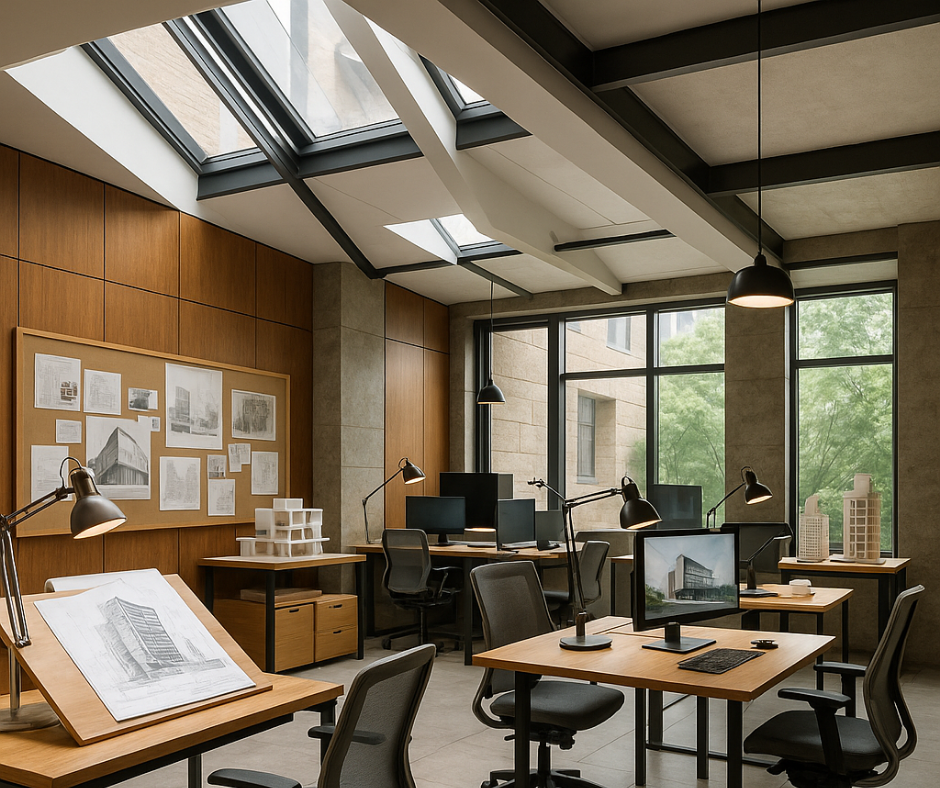
Lighting plays a crucial role in any design studio. Natural light reduces eye strain and energizes the workspace, while task lighting ensures precision during detailed work. Skylights, large windows, and adjustable desk lamps can create the perfect balance between brightness and focus.
2. Ergonomic Furniture and Layout
Architects often spend hours drafting, modeling, and discussing. Ergonomic desks and chairs promote comfort, while standing workstations allow variety during long days. The layout should minimize clutter and maximize flow, so teams can transition between tasks without disruption.
3. Collaborative vs. Private Zones
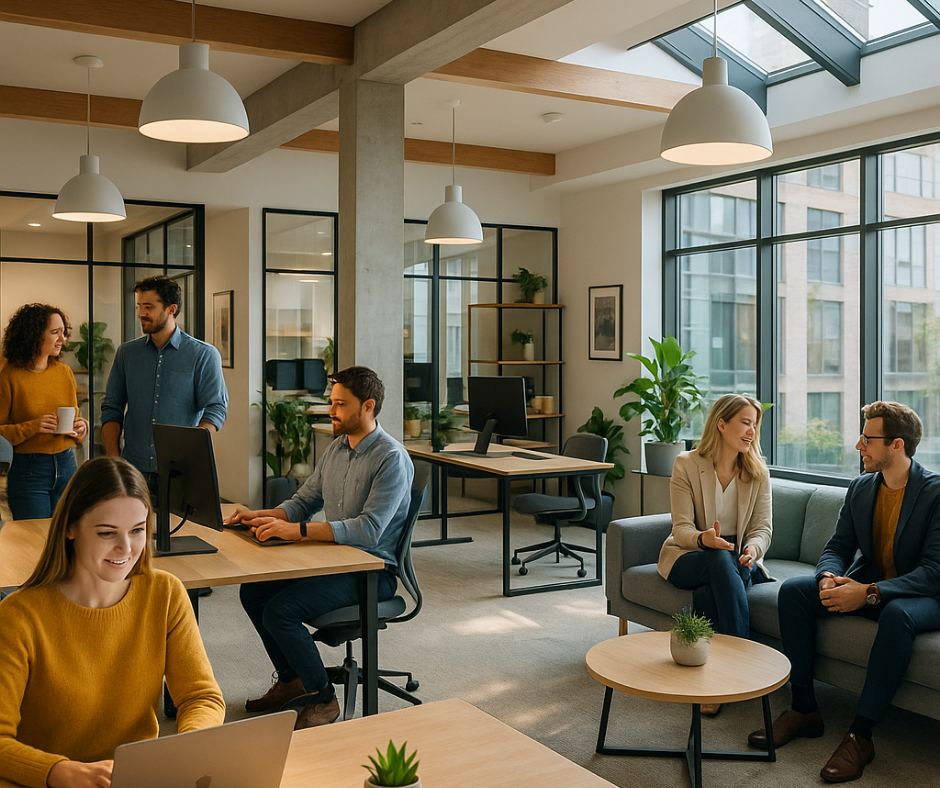
A successful studio fosters both collaboration and concentration. Open spaces encourage teamwork, brainstorming, and client meetings, while private corners allow for deep focus. By striking the right balance, architects can seamlessly move between group work and individual tasks.
4. Material Choices and Finishes
The textures and materials within a studio set the tone of the space. Natural wood, stone, and concrete provide authenticity, while sleek glass and steel add modernity. These finishes not only contribute to aesthetics but also inspire ideas for future projects.
5. Technology Integration
From high-performance computers to virtual reality setups, technology is at the heart of modern architecture. A studio should integrate digital tools seamlessly, with hidden cabling, adaptable workstations, and spaces designed for both digital and physical modeling.
Aesthetic Appeal Meets Functionality
While productivity is essential, the studio must also inspire. The colors, shapes, and forms within the studio environment influence mood and creativity. Neutral palettes with bold accents stimulate focus while avoiding distraction. Artwork, model displays, and design boards keep creativity visible, reminding architects of their craft at every step.
The mid-point challenge for architecture studio design is ensuring that functionality doesn’t overshadow beauty or vice versa. A clutter-free but visually engaging studio reinforces the idea that design is both a science and an art.
The Role of Flexibility in Studio Design
Architectural projects vary greatly, from small residential work to massive urban planning. A flexible studio adapts to these needs. Movable partitions, modular furniture, and multi-purpose zones give teams the freedom to reconfigure the space as projects evolve. This adaptability ensures long-term usability and keeps the studio relevant as the firm grows.
Wellness and Sustainability in Studio Spaces
Productivity thrives where wellness is prioritized. Incorporating greenery, proper ventilation, and acoustic control creates a healthier atmosphere. Biophilic design, bringing elements of nature indoors, has been shown to reduce stress and improve focus.
Sustainability also plays an increasingly important role. Choosing eco-friendly materials, energy-efficient lighting, and responsible waste management practices aligns the studio with modern architectural values, showing that the design philosophy extends into the workspace itself.
Case Study Inspirations
- Minimalist Studios: Clean lines, open space, and minimal furnishings enhance focus and let creativity flow without distraction.
- Industrial Studios: Exposed brick, steel beams, and raw finishes create a bold, urban energy that sparks innovation.
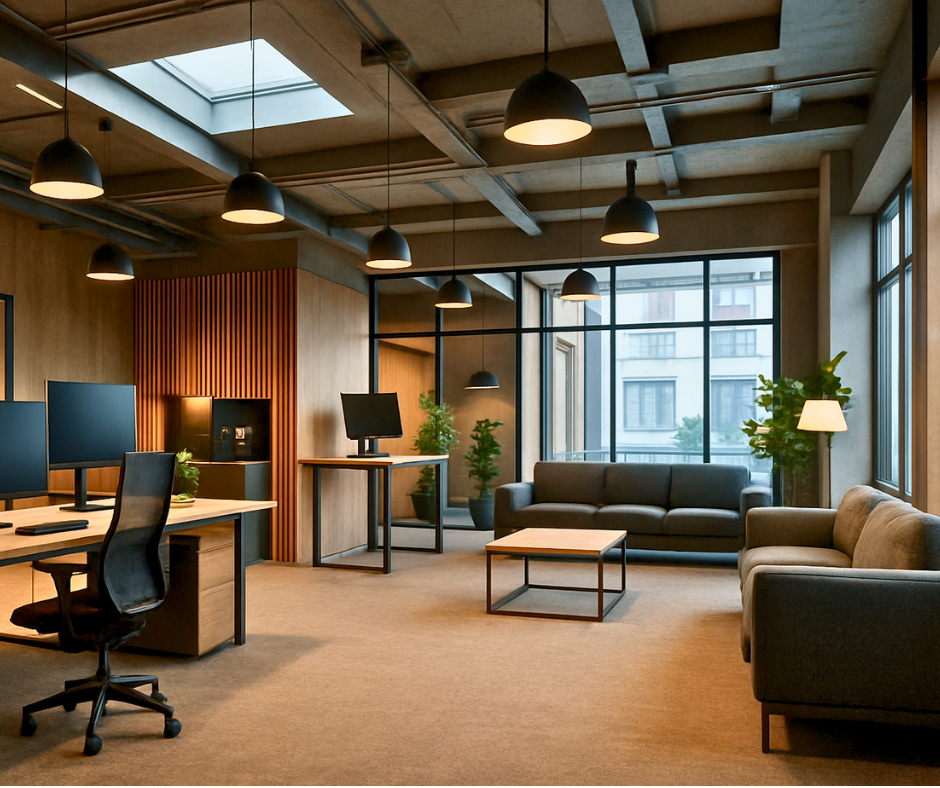
- Hybrid Studios: Combining lounge-style seating with traditional workstations balances relaxation and productivity.
These examples highlight how diverse approaches can still achieve the core goal of creating a space where creativity thrives alongside efficiency.